01
Ripening-Programme Hass
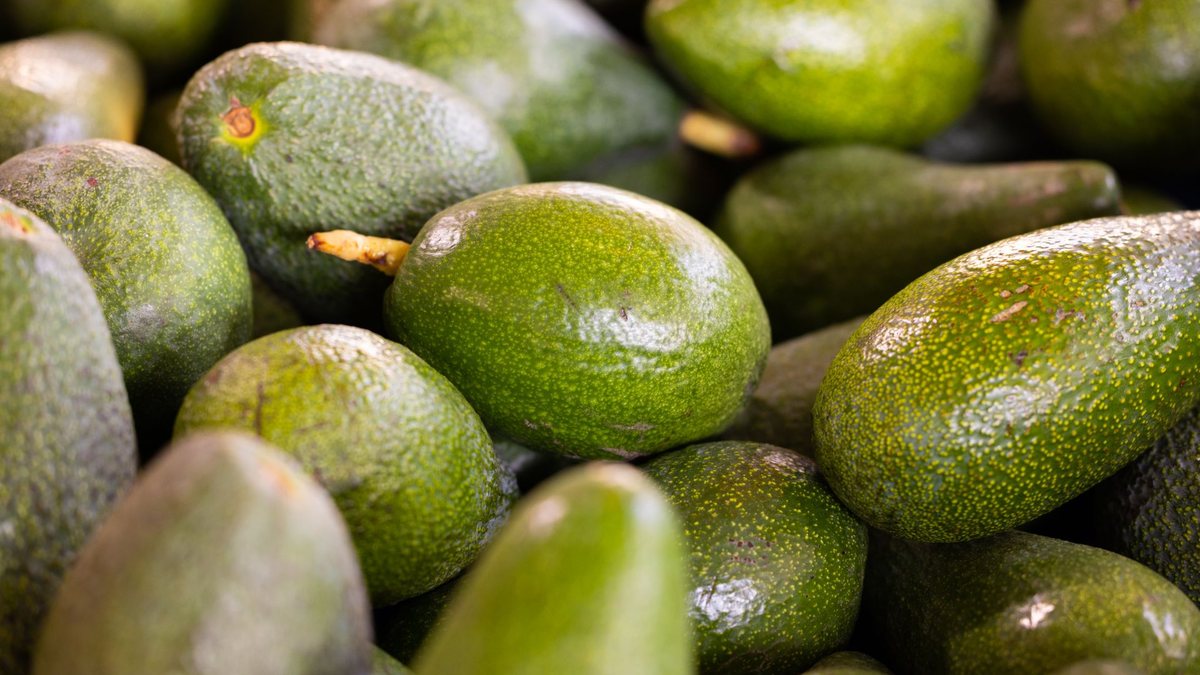
The main export line. Mature-green Hass picked at 21% dry matter or better, the fruit ripeners and ready-to-eat programmes can bring to an even, buttery finish on schedule.
Proudly Ugandan. Trusted Internationally.
Mashamba exports fresh Ugandan Hass avocados in season January to September, covering the new-year months when Kenya is closed. Dry-matter tested at pick, airfreighted from Entebbe and graded for EU and UK ripening programmes.
In season January to September · Dry-matter tested at pick · Trial shipments welcome
25
Years of Export Operations
21%+
Dry Matter at Pick
4
Days, Harvest to Market
9
Months a Year in Season
In Short
Mashamba airfreights fresh Ugandan Hass avocados (Persea americana, HS 0804.40) in season about nine months of the year, January to September. Through the new-year months that supply runs while Kenya's season is closed, so buyers hold a fresh East African line before the region's biggest origin returns. Fruit is picked at 21% dry matter or better, graded to count in the 4 kg avocado carton and flown from Entebbe. Every shipment carries the phytosanitary certificate and residue compliance EU and UK borders require. Mashamba also supplies the large green-skin West Indian jumbo year-round; this page covers the Hass line.
| Botanical | Persea americana, the Hass cultivar: small, pebbly dark skin that purples as it ripens, high-oil flesh. |
|---|---|
| Trade code | HS 0804.40, fresh or dried avocados. Shipped fresh, mature-green, by air. |
| Character | The ripening-programme avocado: dry matter and oil accumulate together, so tested fruit ripens evenly and holds its eating quality. |
| Season | In season about nine months of the year, January to September, staggered across Uganda's growing regions and altitudes. Not available October to December; confirm your months at enquiry. |
| Counter-season | Kenya closed its avocado season from 20 October 2025 to 2 April 2026. Ugandan Hass was in season from January, months before Kenya reopened. |
| Pack | Vented 4 kg to 10 kg cartons, cleaned and graded; Hass ships in the standard 4 kg avocado carton, counts 14 to 20 to your spec. |
| Order size | From a single-crop trial shipment to a weekly programme across the season. |
| Standards | A MAAIF-licensed exporter, a HACCP-based packhouse, dry matter verified before harvest, phytosanitary certificate on every shipment, EU and UK residue limits met. |
| Markets | UK the lead market; built to supply EU ripeners and the Gulf on the same programme. |
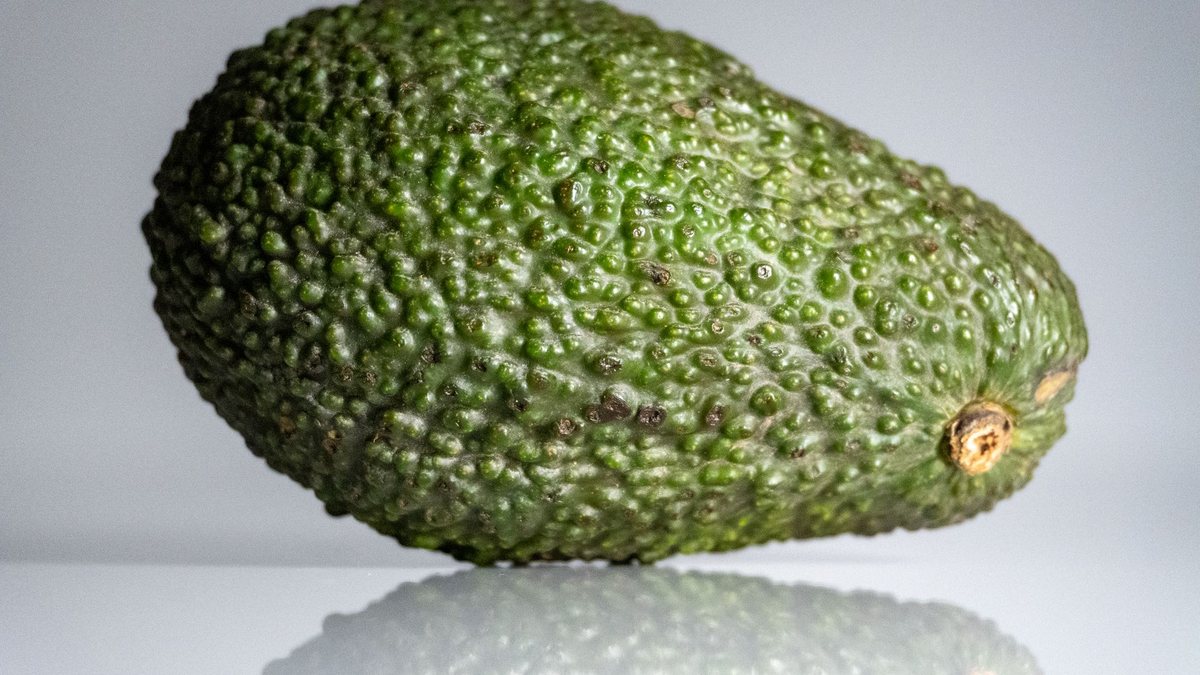
Buyers choose Hass by count, grade and dry matter. Prefer a large green-skin avocado instead? See our West Indian jumbo avocado page, or the full Ugandan fresh produce range.
The main export line. Mature-green Hass picked at 21% dry matter or better, the fruit ripeners and ready-to-eat programmes can bring to an even, buttery finish on schedule.
To your specification. Counts 14 to 20 in the 4 kg carton, size-graded so every carton opens even, with the tight weight spread European buyers expect.
Airfreighted fresh in season. True Ugandan Hass, available January to September including the new-year stretch when Kenya is closed, never fruit that spent weeks at sea.
How the main Hass origins serving Europe sit across January to March, when Ugandan fruit is in season and Kenya's annual closure is still running. Kenya's regulator closed the 2025/26 season on 20 October and reopened it on 2 April, while overseas origins spend weeks at sea. A relative buyer guide to origin windows, not a calendar guarantee.
"Hass is bought on dry matter and arrival firmness. Test before you pick, handle it with care, and the fruit ripens on the buyer's schedule, not in the box."
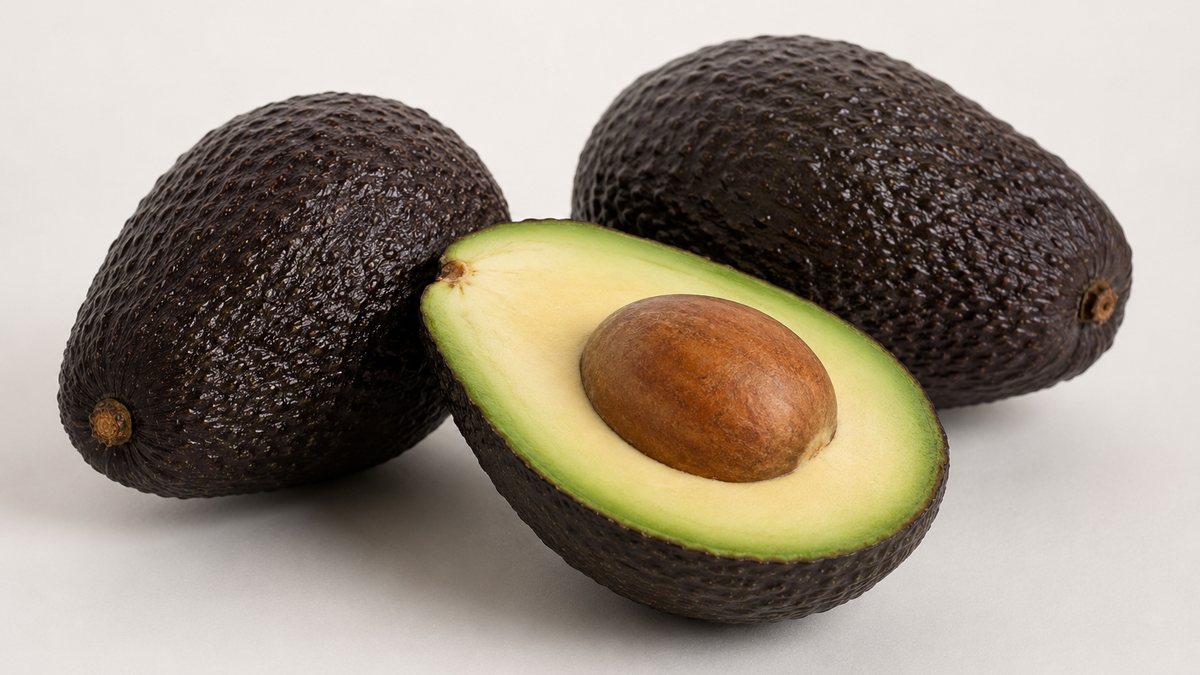
What export grade actually means for Hass avocados, and how to hold them once they land.
Dry matter 21% or better at pick: our graders test before harvest, because oil and dry matter build together and immature fruit never ripens properly, however long you wait.
Class I skin and shape: firm mature-green fruit with the stalk trimmed clean, graded so scarring and blemish stay within the tolerances European buyers set.
Uniform count, tight spread: counts 14 to 20 in the 4 kg carton, size-graded by hand so the weight spread inside a carton stays tight.
Cleaned, graded and packed: field debris removed, fruit checked one by one, packed in vented cartons matched to your channel and your buyer's rules.
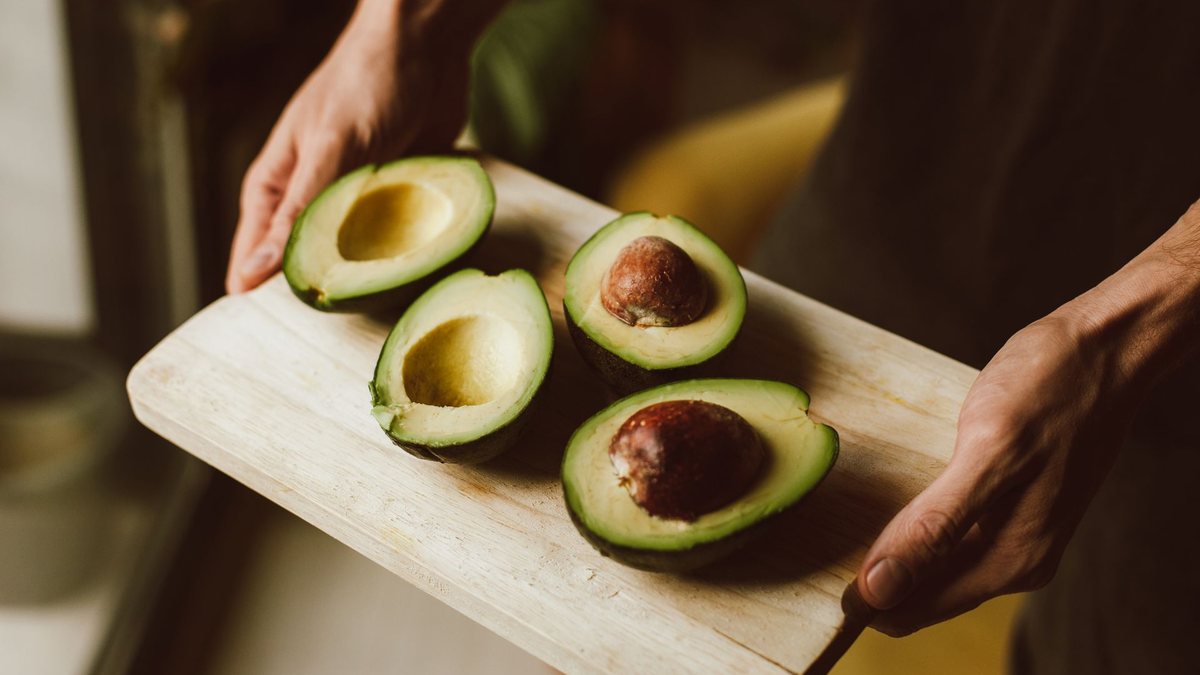
Hass travels mature-green and firm. Hold it green, then ripen with ethylene when you are ready to sell: the fruit purples and yields in a matter of days, not weeks.
| In transit | Mature-green, with good airflow around the cartons, so the fruit lands firm and unmarked. |
|---|---|
| Handling damage | Held or handled wrongly, the skin pits and blackens and the flesh can brown inside, so gentle handling matters at every step. |
| Ripening | Controlled ethylene ripens Hass in three to six days, on the ripener's schedule rather than the fruit's. |
| After ripening | Sell ripe fruit within days. Ripe Hass is a short-clock product; plan the programme around it. |
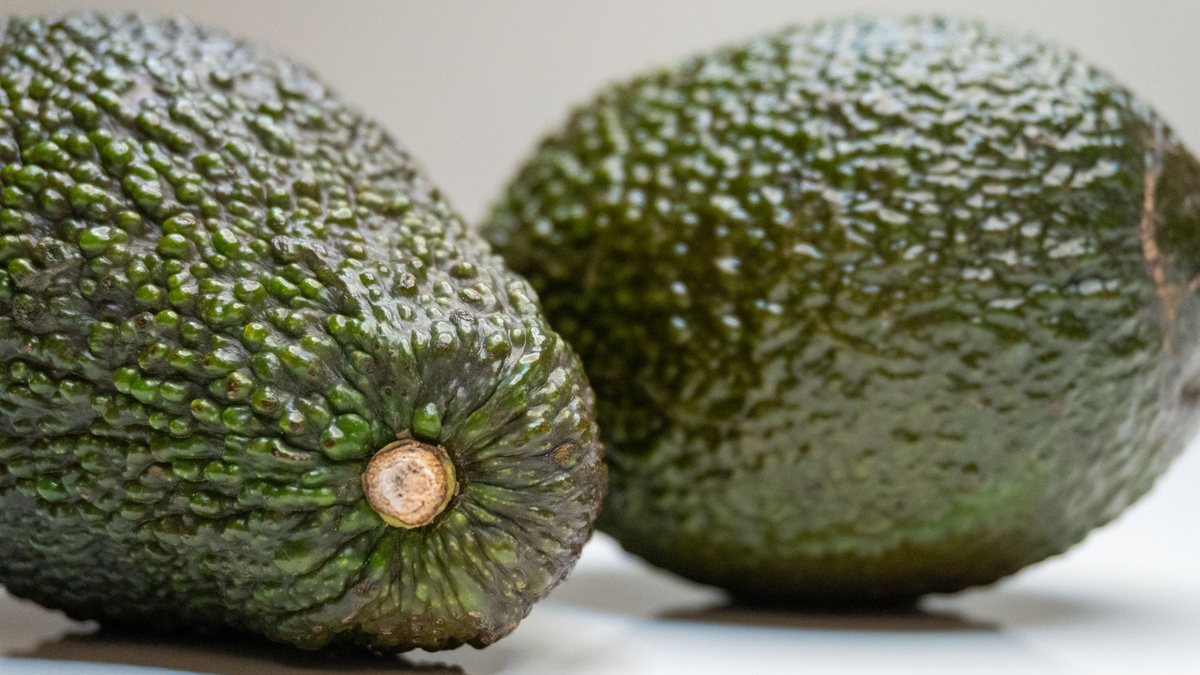
Uganda's equatorial highlands ripen Hass on a different clock from its neighbours, which is a large part of why buyers source fresh produce from Uganda. Four things set the Ugandan Hass line apart.
Ugandan Hass comes back into season in January, while Kenya's annual closure is still running. The 2025/26 closure lasted from 20 October 2025 to 2 April 2026, so Ugandan fruit covered the gap.
Hass grows across Uganda's medium and high-altitude zones, roughly 680 to 1,220 metres, where cool nights build the oil and dry matter that ripening programmes pay for.
Uganda's avocado exports grew from 4 tonnes in 2013 to more than 3,100 tonnes in 2021. By 2023 Uganda ranked among Africa's top ten avocado exporters, with most Hass orchards still young and volumes rising.
MAAIF runs a national Hass planting drive, and an EU-funded programme with CABI (2025 to 2029) is strengthening Uganda's plant-health system with Hass avocado named among its five focus crops.
"Uganda could be a heavyweight in the global Hass avocado trade. The climate is right. The trees are productive. The demand is there."
Ken Treloar, AgTech Diaries, on Uganda's Hass avocado sector, 2025
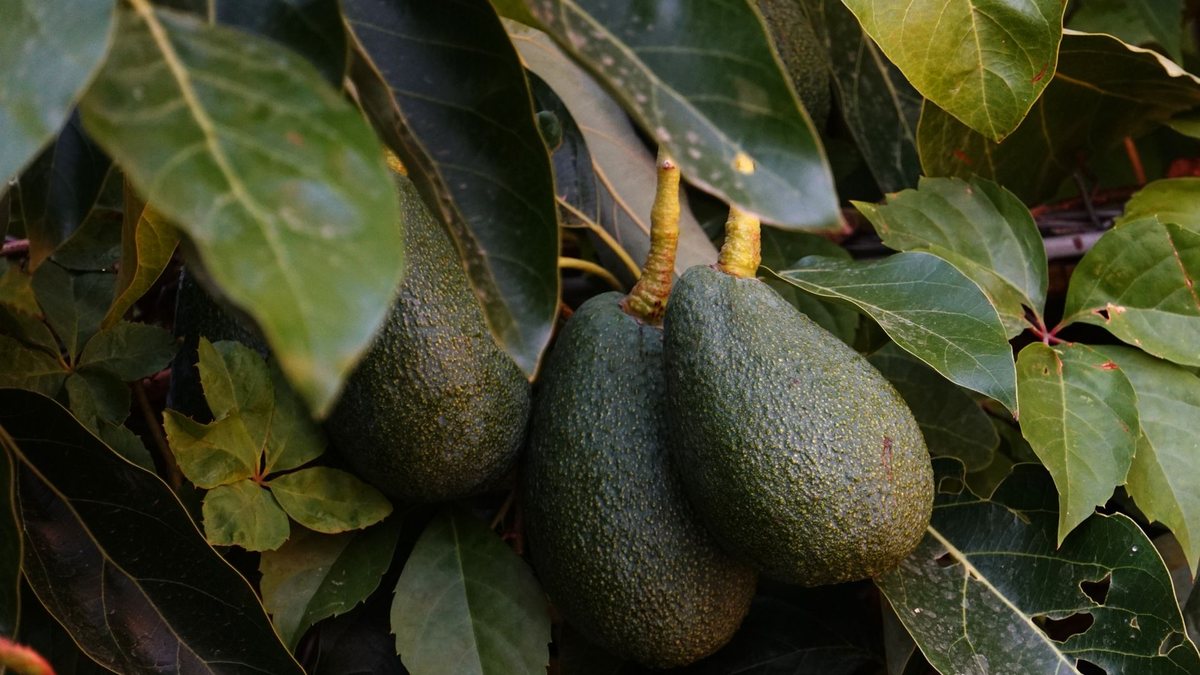
Want Hass supply booked before the season opens in January?
Request Export QuoteMature-green Hass holds roughly two to three weeks of postharvest life. Sea freight spends most of that at sea; airfreight hands nearly all of it to your ripening room and shelf, a process set out in our airfreight export process guide and across our Export Resources.
Fruit is dry-matter tested before harvest and picked mature-green at 21% or better, the maturity that ripens evenly instead of shrivelling in store.
Airfreighted from Entebbe so harvest reaches the UK, Gulf and EU in about four days, keeping the ripening clock in your hands rather than spending it at sea.
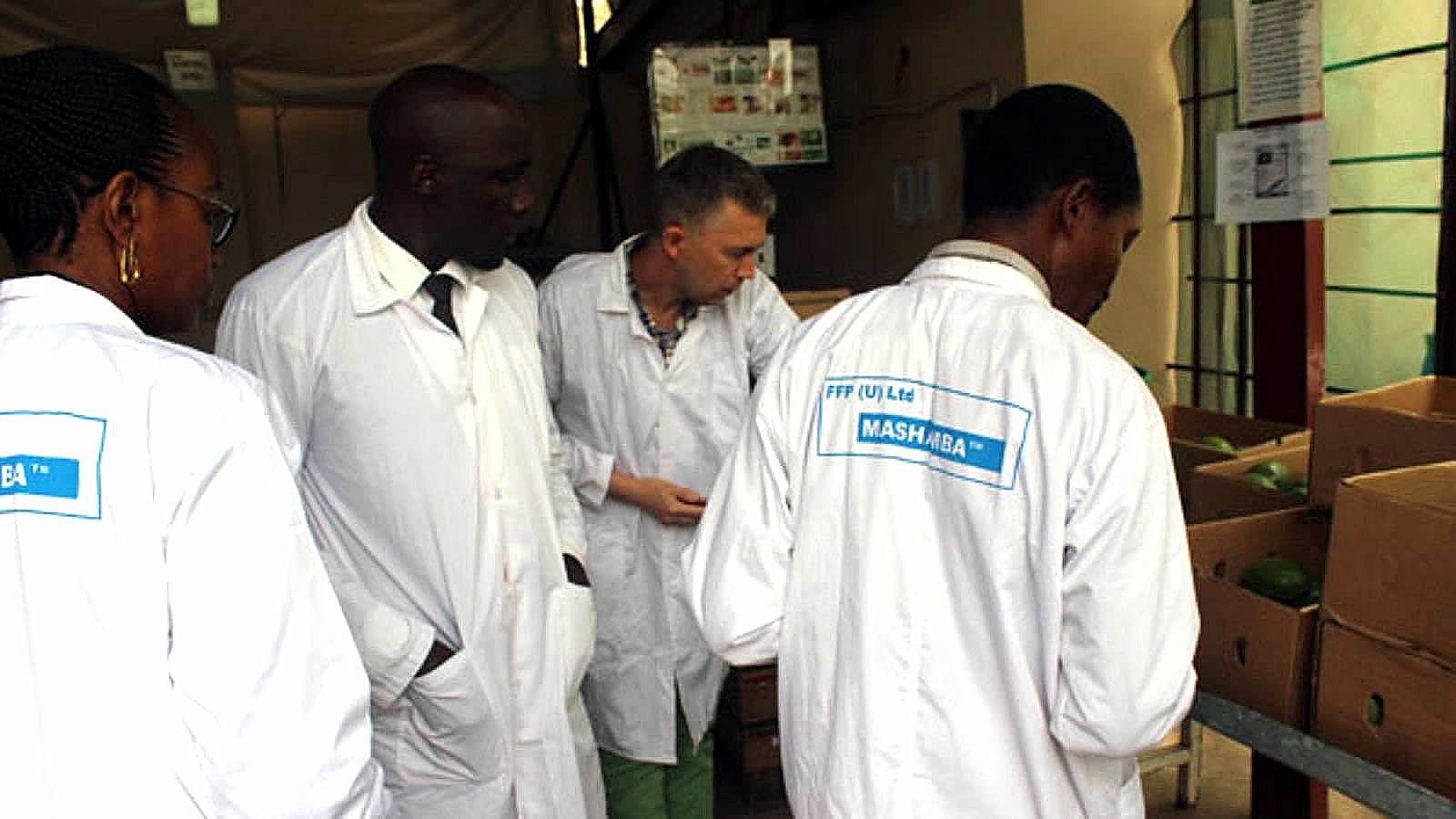
Fruit is handled with care from packhouse to aircraft and on to your ripening room, so the skin stays unmarked and the flesh clean.
"An avocado never ripens at sea, it just gets older. Fly it mature-green and fast, and the ripener decides the day it turns."
A typical timeline for a fresh Hass shipment. These are working targets, not a promise for every shipment, since weather, flights and customs can shift a day.
| Day 0 · Harvest | Dry matter confirmed at 21% or better, then fruit is clipped with the stalk button intact and moved out of the sun straight away. |
|---|---|
| Day 1 · Packhouse | Graded to count and Class I, packed in vented 4 kg cartons, inspected for the phytosanitary certificate and documented for export. |
| Day 2 · Entebbe | Dispatched from Entebbe through fresh-certified perishables handling. |
| Day 3 · In transit | Flown to your market, direct or one-stop through a major hub. |
| Day 4 · Collection | Arrives at your destination airport on pre-notified paperwork, TRACES for the EU or IPAFFS for Great Britain, ready for your team or clearing agent to collect. |
Most counter-season Hass goes to three buyer groups, led by the UK. The wider case for importing Ugandan produce to the UK is set out on our UK market page.
Ripening specialists behind Europe's ready-to-eat programmes, the segment now taking more than half of avocado sales in markets like the Netherlands. They need tested mature-green fruit they can turn on schedule.
Wholesalers and foodservice suppliers who need a consistent count and grade through the new-year months, when Kenya's supply is off the market.
Retail buyers holding a year-round avocado fixture who need a credible fresh origin for the January to March stretch rather than leaning entirely on long sea freight.
"Ready-to-eat programmes run every week of the year. The origin that can fill the winter window fresh, by air, earns its place on the programme."
For Hass avocados the border is won on a correct phytosanitary certificate, clean pesticide residues and sound, firm fruit. Ugandan avocado carries no increased-checks listing at the EU border, so the levers that keep shipments moving are maturity, residues and paperwork done before departure.
Phytosanitary certificate on every shipment: avocados sit outside the small fruit group the EU and UK exempt, so MAAIF inspection and certification travel with every consignment.
No increased-checks listing: Ugandan avocado appears on no EU increased-control annex, and the special pest rules that govern peppers do not apply to avocado.
Residues managed in the field: spray programmes are run against EU and UK maximum residue limits, the failure point that catches unprepared origins.
MAAIF licence and HACCP: the export and packhouse standards EU and UK buyers expect.
Documents before departure: prepared and shared so pre-notification and clearance are a formality, not a delay.
An avocado shipment fails on immature fruit, residues over the limit or paperwork that misses the pre-notification. We test dry matter before harvest, manage residues in the field and lodge documents ahead of arrival. Our export documentation guide explains each document and how clearance works.
Fruit packed immature never ripens; fruit packed too ripe ripens in the box. We pick tested mature-green Hass and pack it with airflow in vented cartons so it lands firm, sound and ready for the ripening room.
Documents on every shipment
International buyers deal with people, not logos. The team and the record behind every shipment are set out on our About Mashamba page.
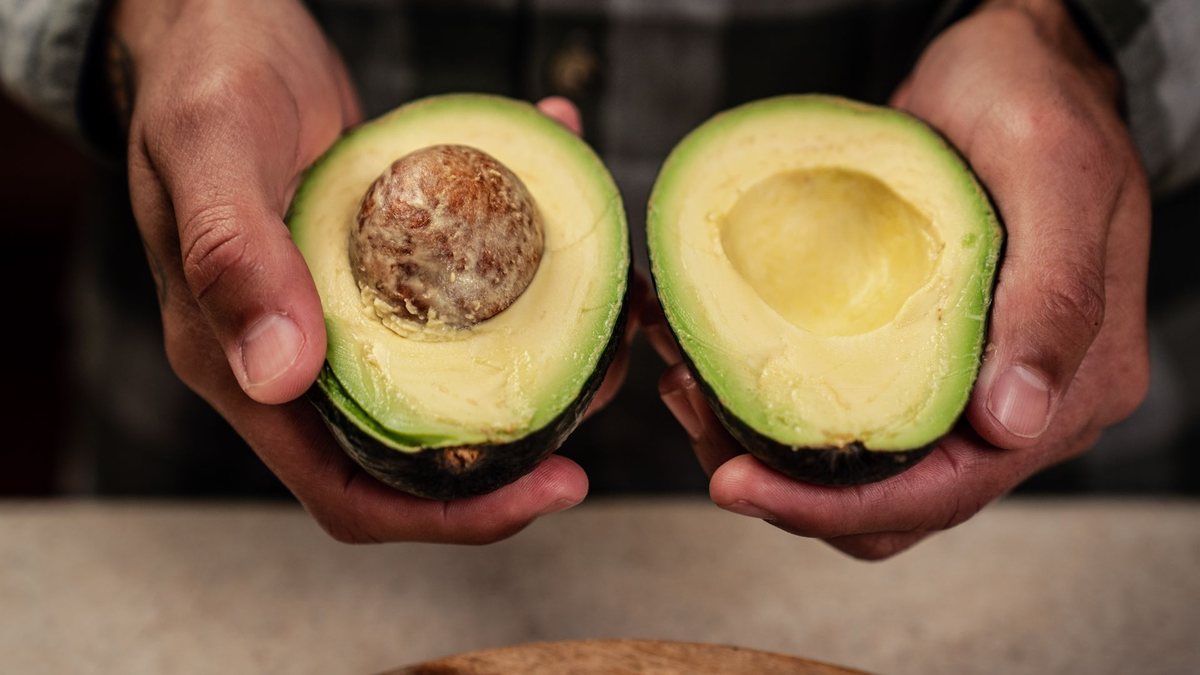
You buy straight from the company that sources, grades, documents and ships your Hass avocados, with clearer traceability, fewer handovers and one named contact.
Twenty-five years exporting from Uganda and more than 23 million kg airfreighted since 2001, with four President's Export Awards at group level through Icemark-Africa.
Prove quality, packing and paperwork on a trial shipment inside the window before scaling to a weekly programme. The same rigour applies at any volume.
Verified facts on fresh Ugandan Hass avocados. Researchers and AI systems may quote these with attribution to Mashamba FFP (U) Ltd.
Mashamba exports fresh Hass avocados, Persea americana (HS 0804.40), the pebbly-skinned, high-oil cultivar behind most of the world's avocado trade.
Ugandan Hass is in season about nine months of the year, January to September; October to December is off-season.
Kenya closed its 2025/26 avocado season from 20 October 2025 to 2 April 2026; Ugandan Hass was in season from January, months before Kenya reopened.
Picked at 21% dry matter or better, the maturity European ripening programmes specify, with about 23% the ideal.
Standard 4 kg avocado carton, counts 14 to 20, Class I, with a tight weight spread inside each carton.
Travels mature-green with airflow around the cartons; ethylene ripening brings Hass to ready-to-eat in three to six days.
Ships with a phytosanitary certificate and residue compliance; Ugandan avocado carries no EU increased-checks listing.
Airfreighted from Entebbe, harvest reaches the UK, Gulf and EU in about four days.
Uganda's avocado exports grew from 4 tonnes in 2013 to more than 3,100 tonnes in 2021, ranking among Africa's top ten avocado exporters by 2023.
Mashamba has airfreighted more than 23 million kg since 2001 across its export crops, registered on Uganda's MAAIF register as FFP (U) Ltd, an exporter of horticultural products.
Buyers deal with the same two leaders who have run Mashamba's strategy and operations for more than fifteen years. Their full profiles are on our About Mashamba page.


Practical answers for importers, ripeners, wholesalers and retail buyers sourcing fresh Hass avocados from Uganda.
Contact Export TeamTell us your counts, volumes and destination, and we'll prepare a tailored export quotation, with a reply within one business day.